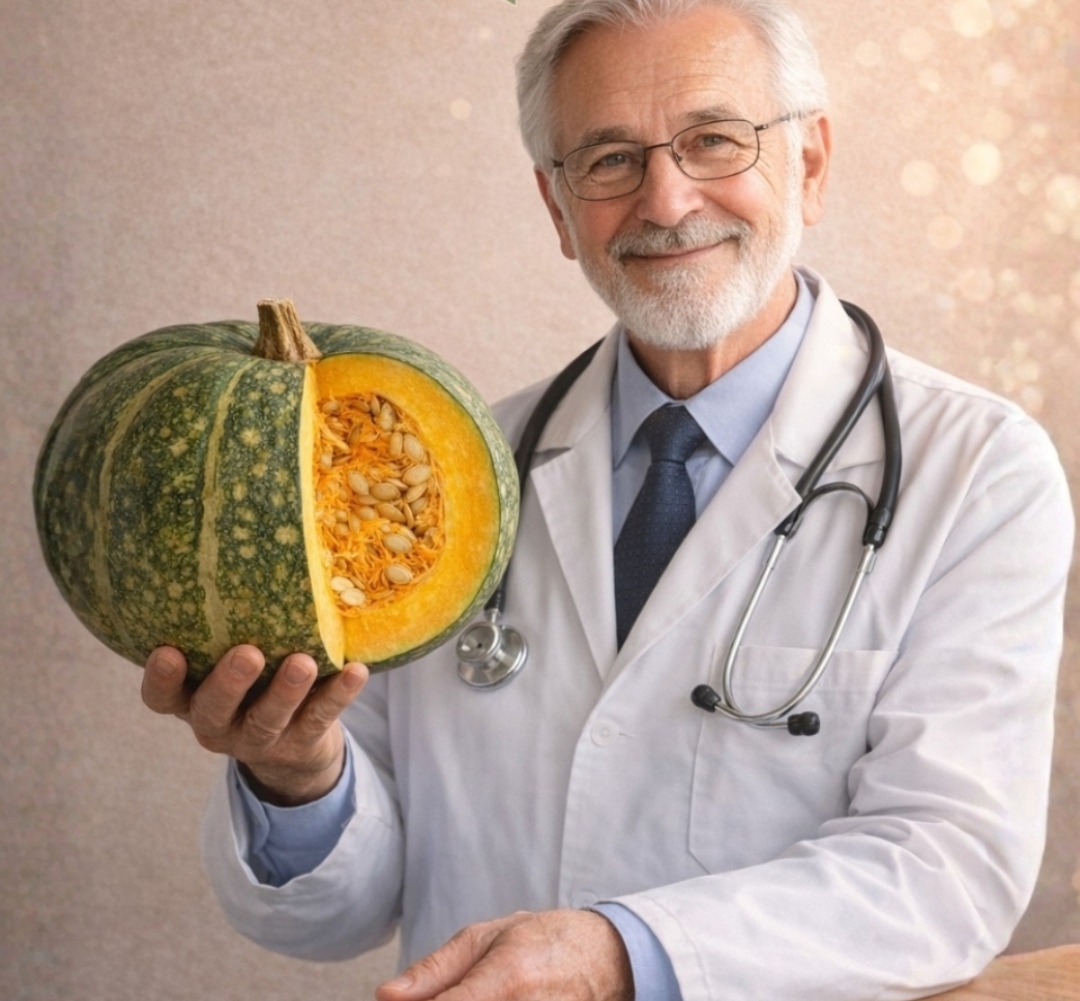
🌿 Why Pumpkin Is Considered a Functional FoodPumpkin stands out for its high nutritional value and low calorie density, making it an excellent addition to a balanced diet. Despite being filling and satisfying, pumpkin contains relatively few calories, which makes it ideal for people focusing on mindful eating.Some of the key nutrients found in pumpkin include:Dietary fiberVitamin A (from beta-carotene)Vitamin CPotassiumNatural antioxidantsMagnesium and small amounts of ironThese nutrients play important roles in supporting overall health.Dietary fiber helps support digestion and contributes to feelings of fullness after meals.Beta-carotene, which gives pumpkin its bright orange color, acts as a powerful antioxidant.Vitamin C supports immune health and cellular protection.Potassium helps maintain normal fluid balance and supports cardiovascular function.Another major advantage of pumpkin is its high water content, which contributes to hydration and satiety without adding excessive calories.Together, these characteristics make pumpkin a nourishing food that fits well into balanced eating patterns.💉 Can Pumpkin Help Support Blood Sugar Balance?Many nutrition studies suggest that foods rich in fiber and antioxidants may help support healthy glucose metabolism when consumed as part of a balanced diet. Pumpkin contains both of these beneficial components.Fiber plays an important role in metabolic health because it can:Slow the absorption of sugars in the digestive systemHelp reduce rapid spikes in blood glucose after mealsPromote longer-lasting feelings of fullnessThese effects may contribute to more stable energy levels throughout the day.Additionally, the antioxidants found in pumpkin may help reduce oxidative stress in the body. Oxidative stress is associated with metabolic imbalance and may play a role in long-term health conditions.For the best nutritional benefits, pumpkin is often recommended in its natural form, such as:Steamed pumpkinRoasted pumpkin cubesPumpkin added to soups and vegetable stewsFresh pumpkin blended into smoothiesHeavily sweetened pumpkin desserts or ultra-processed products may reduce these benefits.It is also important to remember that pumpkin is a nutritious food, not a medical treatment. Individuals managing diabetes or blood sugar concerns should always follow guidance from qualified healthcare professionals.❤️ How Pumpkin May Benefit Heart HealthPumpkin also contains several nutrients that may contribute to cardiovascular wellness when included in a healthy lifestyle.PotassiumPotassium plays a key role in supporting normal blood pressure levels by helping balance sodium in the body. Adequate potassium intake is often associated with better cardiovascular health.Dietary FiberFiber may assist in maintaining healthy cholesterol levels when consumed regularly as part of a balanced diet.AntioxidantsCompounds such as beta-carotene help protect cells from oxidative stress. Oxidative damage is believed to contribute to aging and the development of chronic diseases, including cardiovascular conditions.By supporting healthy blood vessels, circulation, and metabolic balance, pumpkin may play a small but meaningful role in heart-friendly nutrition.💪 Additional Health Benefits of PumpkinBeyond blood sugar balance and heart health, pumpkin offers a variety of additional wellness benefits.🛡️ Supports the Immune SystemPumpkin contains vitamin A, vitamin C, and antioxidants that contribute to the body’s natural immune defenses.Vitamin A helps maintain healthy skin and mucous membranes, which serve as protective barriers against environmental stressors.👀 Supports Eye HealthBeta-carotene in pumpkin converts into vitamin A, an essential nutrient for maintaining healthy vision and supporting retinal function.Regular consumption of beta-carotene-rich foods may contribute to long-term eye health.⚖️ Helps Maintain Healthy WeightPumpkin is naturally low in calories yet rich in fiber and water, making it a satisfying food that may help reduce overeating.Foods that promote fullness can support balanced eating habits and healthy weight management.🧠 Helps Combat Oxidative StressPumpkin contains a variety of antioxidants that help neutralize free radicals, unstable molecules that may damage cells and contribute to aging and chronic disease.Reducing oxidative stress is an important part of maintaining long-term health.🍲 Easy Ways to Add Pumpkin to Your DietOne of pumpkin’s greatest strengths is its culinary versatility. It can be prepared in many delicious ways that fit into both savory and sweet dishes.Here are some simple ways to enjoy pumpkin:🍵 Pumpkin SoupWarm pumpkin soup blended with herbs and spices makes a comforting and nutritious meal.🥔 Mashed PumpkinMashed pumpkin can be served as a side dish similar to mashed potatoes.🔥 Roasted PumpkinRoasting pumpkin cubes with olive oil, garlic, and herbs enhances its natural sweetness.🥘 Vegetable StewsPumpkin works beautifully in hearty vegetable stews and traditional dishes.🥤 SmoothiesCooked pumpkin or pumpkin puree can be added to smoothies for extra fiber and nutrients.🥗 Warm Vegetable SaladsRoasted pumpkin pairs well with leafy greens, nuts, and seeds.🌰 Don’t Forget Pumpkin SeedsPumpkin seeds are also highly nutritious and deserve special attention.They contain:MagnesiumZincHealthy fatsPlant-based proteinAntioxidantsThese nutrients support immune health, muscle function, and overall metabolic balance.Pumpkin seeds can be enjoyed roasted as a snack, sprinkled over salads, or added to granola and smoothie bowls.⚠️ Things to Keep in MindWhile pumpkin is a healthy and nutritious food, moderation and balance are always important.A few helpful tips include:Avoid pumpkin dishes with excess added sugar or ultra-processed ingredientsCombine pumpkin with protein, healthy fats, and other vegetables for balanced mealsIndividuals with diabetes should continue following medical and nutritional adviceNo single food can replace a varied and balanced diet, which remains the foundation of long-term health.🌟 Final ThoughtsPumpkin is a nourishing, accessible, and versatile food that can be a valuable addition to a healthy lifestyle.Thanks to its fiber, antioxidants, vitamins, and minerals, pumpkin may help support blood sugar balance, heart wellness, immune strength, and overall metabolic health when consumed as part of a balanced diet.Adding pumpkin to your weekly meals is a simple and natural way to enjoy both flavor and nutrition while supporting everyday well-being.
Pumpkin: A Natural Food That May Help Support Healthy Blood Sugar and Heart Wellness