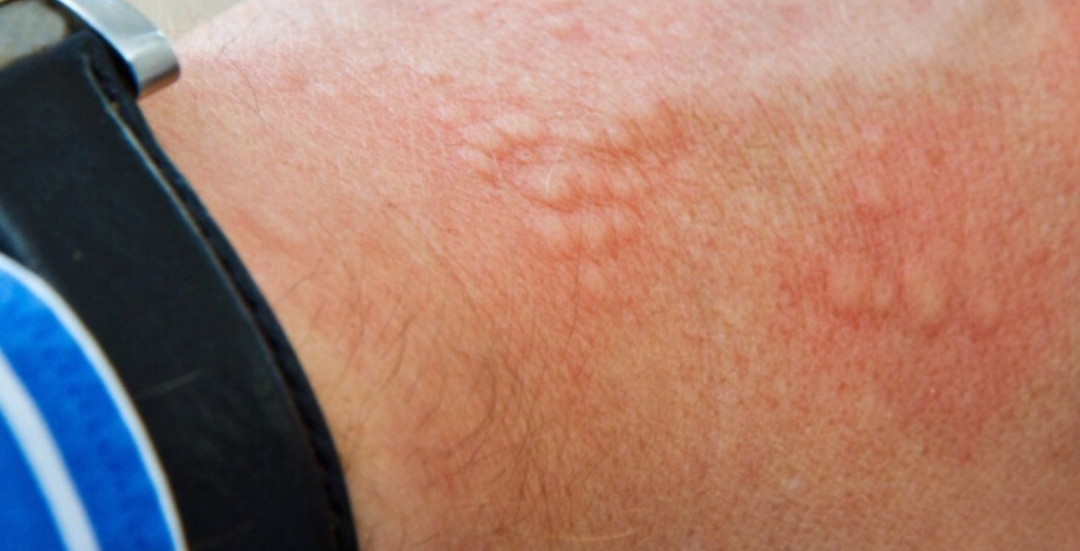
Irritation in the groin area is more common than many realize—and nothing to be embarrassed about. Due to its warm, moist, and often friction-prone environment, this sensitive region is especially vulnerable to skin changes. The good news? Most conditions are mild, treatable, and preventable with the right care.Below are five of the most common causes of groin irritation—what they look like, why they happen, and how to support healing—so you can respond with knowledge, not worry.1. Ingrown HairsWhat they are: Hairs that curl back or grow sideways into the skin instead of rising outward—common after shaving, waxing, or tight clothing friction.Common causes:Shaving against the grainWearing tight underwear or clothingCurly or coarse hair textureSymptoms:Small, raised red bumps (sometimes with a visible hair loop)Tenderness, itching, or mild swellingOccasionally, pus-filled spots if inflamedGentle care:→ Stop shaving/waxing temporarily→ Apply a warm compress to soothe and encourage the hair to surface→ Use a clean, sterile tweezer only if the hair tip is visible (don’t dig)→ Moisturize with fragrance-free lotion; avoid heavy oils→ Prevent recurrence by shaving with the grain, using a clean razor, and exfoliating gently 1–2x/week2. FolliculitisWhat it is: Inflammation or infection of the hair follicles—often bacterial (e.g., Staph), but can be fungal or irritation-based.Common causes:Bacteria or yeast entering follicles (from sweat, tight clothes, hot tubs)Shaving, friction, or prolonged moistureWeakened immune systemSymptoms:Clusters of small, red, pus-filled bumps centered on hair folliclesItching, burning, or tendernessMay crust over as they healGentle care:→ Keep the area clean and dry; wear loose, breathable cotton underwear→ Avoid shaving until healed→ Apply an over-the-counter antibacterial wash (e.g., benzoyl peroxide 4–5%)→ For persistent or severe cases, see a healthcare provider—oral or topical antibiotics/antifungals may be needed3. Tinea Cruris (Jock Itch)What it is: A fungal infection (dermatophyte), not limited to athletes—despite the name. Highly contagious but easily treatable.Common causes:Warmth + moisture (sweat, damp clothing)Spread from athlete’s foot (via hands or towels)Shared locker rooms, gyms, or towelsSymptoms:Red, ring-shaped rash with raised, scaly edgesIntense itching or burningRash often spreads outward; center may clearWorse in heat or after exerciseGentle care:→ Keep groin dry—pat (don’t rub) after showering; use a hairdryer on cool setting if needed→ Wear moisture-wicking, loose-fitting underwear→ Apply an OTC antifungal cream (e.g., clotrimazole, miconazole) 2x/day for 2–4 weeks (continue 1 week after symptoms fade)→ Treat athlete’s foot simultaneously to prevent reinfection→ See a provider if no improvement in 2 weeks4. Contact DermatitisWhat it is: Skin inflammation caused by direct contact with an irritant or allergen. Two types:Irritant: Immediate reaction to harsh substances (e.g., soaps, detergents)Allergic: Delayed reaction to allergens (e.g., fragrances, dyes, latex)Common causes:Scented laundry detergents, fabric softeners, or dryer sheetsSoaps, body washes, or wipes with alcohol/fragranceNew underwear (dyes, elastic, seams)Condoms, lubricants, or topical medicationsSymptoms:Red, raw, or blistered skinIntense itching, stinging, or burningDry, cracked, or peeling patchesClear borders where contact occurredGentle care:→ Identify and remove the trigger (switch to fragrance-free, dye-free detergents like Tide Free & Clear or All Free & Clear)→ Rinse underwear twice to remove detergent residue→ Apply a barrier ointment (e.g., zinc oxide or petroleum jelly) to protect raw skin→ Use cool compresses for relief→ For severe itching, a low-dose hydrocortisone 1% cream (OTC) may help short-term—avoid long-term use in folds5. IntertrigoWhat it is: A rash that develops in skin folds due to friction, moisture, and warmth—often worsened by yeast or bacteria overgrowth.Common causes:Skin-on-skin rubbing (thighs, under belly, groin)Sweating, humidity, or obesityPoor air circulationDiabetes or immune conditions (higher risk)Symptoms:Bright red, raw-looking patches in skin foldsBurning, stinging, or sorenessMoist, macerated (white, soggy) skinFoul odor or oozing if infectedGentle care:→ Keep folds clean and dry—use a soft towel or cotton pad to separate skin after bathing→ Apply a barrier cream (zinc oxide paste) to protect skin→ Use antifungal powder (e.g., miconazole powder) if yeast is suspected→ Wear loose, breathable clothing (100% cotton)→ For persistent or worsening cases, see a provider—prescription antifungals or low-potency steroids may be neededPreventive Tips: Gentle Habits for Healthy Skin✅ Dry thoroughly after bathing—especially in folds. A cool hairdryer helps.✅ Choose underwear wisely: 100% cotton, seamless, and well-fitting (not too tight).✅ Change out of damp clothes promptly after sweating or swimming.✅ Use gentle cleansers: Fragrance-free, pH-balanced body wash (e.g., Cetaphil, Vanicream).✅ Avoid irritants: Skip scented lotions, wipes, or sprays in the groin area.✅ Wash laundry wisely: Fragrance/dye-free detergent + extra rinse cycle.✅ Air out when possible: Go commando at home or sleep in loose shorts to let skin breathe.When to Seek Medical CareWhile most groin irritation resolves with self-care, please see a healthcare provider if you notice:Rash spreading rapidly or not improving in 1–2 weeksFever, chills, or swollen lymph nodesBlisters, open sores, or oozingSevere pain or signs of infection (increasing redness, warmth, pus)Recurrent episodes—may indicate underlying condition (e.g., diabetes, immune issue)A Final NoteYour skin is speaking—not to shame you, but to guide you toward care.Irritation is not a reflection of cleanliness or worth. It’s simply a signal: “This area needs a little more kindness, a little more air, a little more rest.”Respond with patience. With gentle products. With the quiet confidence that healing is possible—and that you deserve to feel comfortable, every single day.You’ve got this.And your skin?It’s rooting for you. 💛—Note: This information is for general wellness awareness. Always consult a healthcare provider for persistent or concerning symptoms.
Signs of Groin Skin Irritation: Causes, Symptoms, and Gentle Care