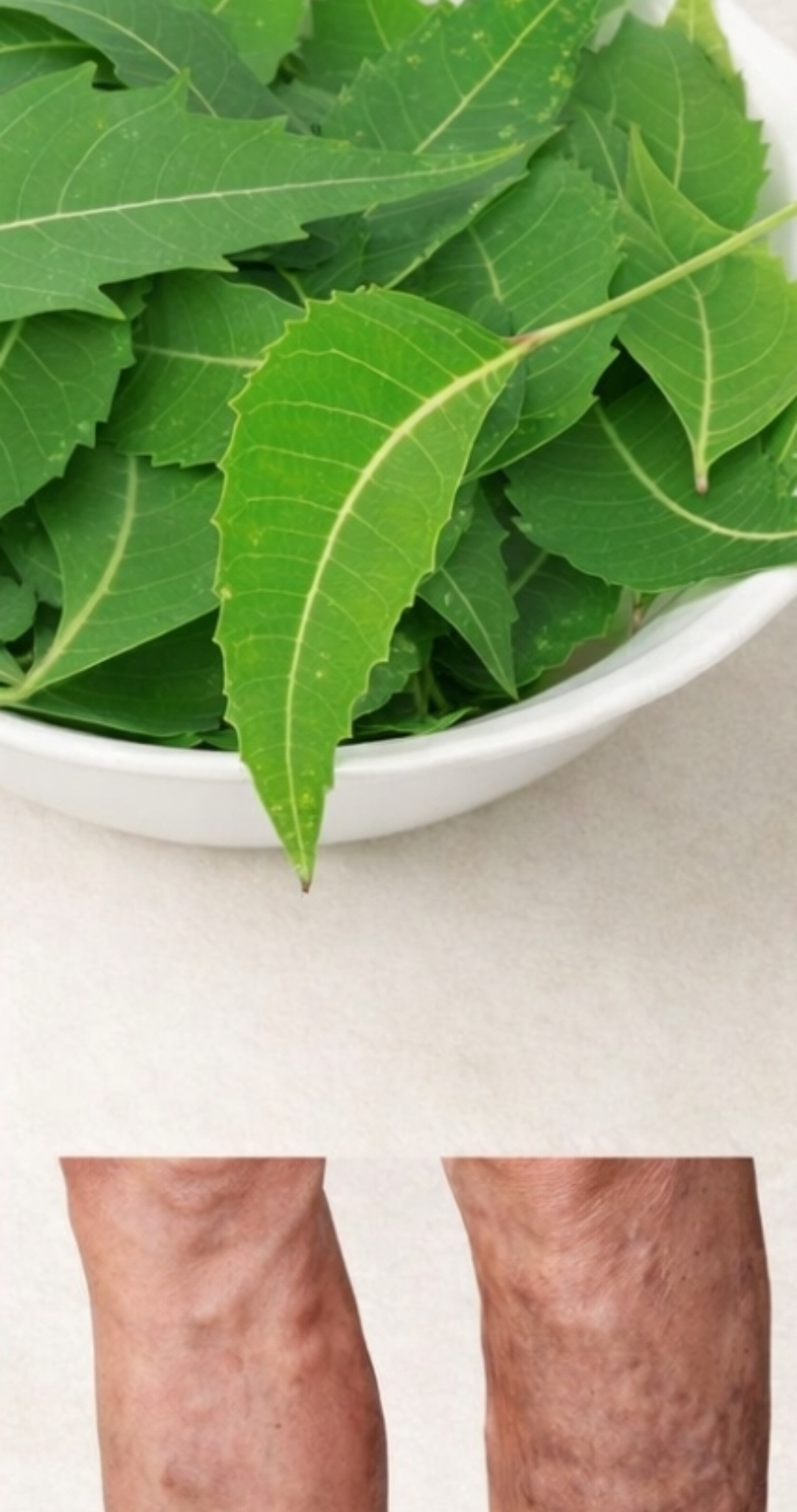
Neem Leaves: Benefits, Uses, and Safety GuideNeem leaves (from the tree Azadirachta indica) have been used for centuries in traditional medicine, especially in Ayurveda. Known for their powerful antimicrobial, antioxidant, and anti-inflammatory properties, neem leaves are widely valued for supporting immunity, skin health, digestion, and overall wellness.With growing global interest in natural remedies, neem has gained recognition as a versatile herbal ingredient. This guide explores the key health benefits, uses, and safety considerations of neem leaves.What Are Neem Leaves?Neem leaves come from the neem tree, a tropical evergreen native to the Indian subcontinent. Nearly every part of the tree—leaves, bark, seeds, and flowers—has traditional medicinal and agricultural uses.These leaves contain active compounds such as:AzadirachtinNimbinQuercetinThese compounds are responsible for neem’s antibacterial, antiviral, and antifungal effects, earning it the nickname “nature’s pharmacy.”Top Health Benefits of Neem Leaves1. Supports the Immune SystemNeem leaves are rich in antioxidants that help the body fight harmful microorganisms. Regular, moderate use may strengthen the body’s natural defense system.2. Promotes Healthy SkinNeem is widely used in skincare due to its antibacterial and anti-inflammatory properties. It may help with:Acne and pimplesEczema and psoriasisMinor wounds and skin infectionsIt works by reducing inflammation and limiting bacteria that cause skin issues.3. Helps Regulate Blood SugarSome studies suggest neem may have blood sugar-lowering effects and improve insulin sensitivity. It is sometimes used as a supportive remedy for diabetes—but it should never replace medical treatment.4. Aids Natural DetoxificationNeem is traditionally believed to help cleanse the blood and remove toxins. This may support:Liver functionDigestionClearer skinIncreased energyNeem tea is often used in detox routines.5. Fights Bacterial and Fungal InfectionsNeem’s strong antimicrobial properties may help manage:Athlete’s footNail fungusOral infections (like thrush)Minor skin infectionsIt is commonly applied topically as a paste or used in rinses.6. Improves Oral HealthNeem has long been used as a natural toothbrush. Its antibacterial effects may:Reduce plaquePrevent gum infectionsFreshen breathMany herbal toothpastes include neem extract for this reason.How to Use Neem Leaves1. Neem TeaBoil a few leaves in water, strain, and drink once cooled.2. Chewing Fresh LeavesSome traditions recommend chewing a few leaves in the morning for digestion and immunity.3. Neem PasteCrush leaves with water and apply to skin for acne or infections.4. Neem PowderDried leaves can be ground into powder and mixed with water or herbal drinks.Safety and Side EffectsNeem is powerful and should be used in moderation.Possible side effects include:Digestive discomfortNausea (especially in large amounts)Strong bitter tasteAvoid neem if you are:Pregnant or breastfeedingExperiencing liver conditionsTaking certain medications (without medical advice)Always consult a healthcare professional before regular use.Final ThoughtsNeem leaves are a time-tested natural remedy with a wide range of potential health benefits—from improving skin health to supporting immunity and digestion. When used responsibly, they can be a valuable addition to a natural wellness routine.However, like any herbal treatment, balance and caution are key.
Neem Leaves for Better Health: Benefits, Uses, and How to Use Them Safely